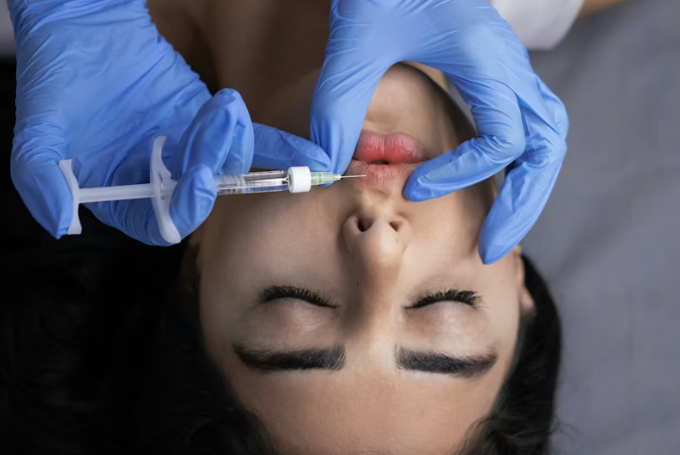
The injections take ten minutes. The aftercare runs for two weeks. That is the part most first-time patients underestimate when they book Botox in London, partly because the appointment itself feels so quick. You walk out with a couple of small red dots on your forehead and a vague sense that something has happened, but the real work is still going on under the skin.
Following the right aftercare matters more than people realise. The first 24 hours after Botox in London decide a fair amount about how cleanly the product settles, how evenly it spreads through the target muscle, and whether you finish with the result you wanted. A few simple rules, kept for a short time, make a real difference.
What to Do Straight After the Appointment
For the first four hours, stay upright. Lying flat or bending over can shift the product before it has anchored into the muscle. That includes yoga inversions, getting your hair washed at the salon with your head tilted back, and napping on the sofa.
Move the treated muscles gently for a few hours. Frown a little, raise your brows, smile. The theory behind this is that mild contraction helps the product bind to the nerve endings in the right place, though research support for the practice is mixed. Most injectors still suggest it because the downside is close to zero.
Avoid touching, pressing, or rubbing the treated area for at least 24 hours. That means no facials, no firm cleansers, no makeup brushes pressed into your forehead. If you wear glasses, perch them lightly rather than pushing them up the bridge of your nose.
See also: Health Data and Technology Integration
What to Avoid in the First 24 Hours
The first day has a short list of things to skip:
- Strenuous exercise that gets your heart rate above resting for any length of time
- Saunas, steam rooms, and hot yoga
- Hot baths and very hot showers
- Alcohol, ideally for a full day
- Aspirin, ibuprofen, fish oil, and vitamin E unless prescribed, because they thin the blood and worsen bruising
- Flying within the first 12 hours where possible
Sleeping on your back the first night helps the product settle evenly. Side sleeping is fine after that, though some practitioners suggest avoiding it for the first 48 hours if the lower face was treated.
Bruising and Swelling After Injections
Tiny raised bumps appear at the injection points within seconds. These usually go down inside thirty minutes to an hour. They are just the product sitting under the skin before it spreads.
Bruising happens in about ten to twenty percent of patients. It is more likely if you took ibuprofen, had a glass of wine the night before, or have thin skin around the eyes. Most bruises fade inside a week and can be covered with concealer after 24 hours.
Mild swelling is normal. If you notice swelling that worsens after the first day, or any sign of warmth and redness spreading outward, call the clinic. Infection is rare with anti-wrinkle injections, though worth flagging early.
Results Timing and What Counts as Normal
You will not look any different walking out of the clinic. That is by design. The product needs to bind to nerve endings and stop muscle signals, and that process takes days.
Most people notice softening at around four to seven days. The full result usually settles in by two weeks. If you have a stubborn frown line or one side that has lifted faster than the other, the two-week mark is when you book a review.
Top-ups exist for a reason. A small asymmetry is common and usually corrects with a couple of extra units. A good clinic builds the review appointment into the treatment plan rather than charging it as a fresh session.
Skincare and Makeup After Treatment
You can put on light makeup after 24 hours, ideally with clean brushes or fingers. Skip exfoliating acids, retinol, and active vitamin C serums for two to three days. Gentle cleanser and moisturiser are fine from the next morning.
Facials, microneedling, and laser treatments should wait at least two weeks. The same applies to any massage that involves pressure on the face, including manual lymphatic drainage. The product can migrate if pushed too firmly while still settling.
When to Call the Clinic
A few signs warrant a phone call rather than waiting for the review:
- An eyelid that starts to droop noticeably
- Difficulty closing the eye or a dry eye that did not exist before
- A severe headache that does not respond to paracetamol
- Vision changes
- Signs of infection at an injection site, including pus, spreading redness, or fever
Most of these are uncommon. Brow drop from forehead treatment is the most frequent complication, and it usually wears off within a few weeks. Eye drops or a referral to an ophthalmologist may help during that window.
Living With the Result Through the Months
For the first few weeks after the result settles, your face will move slightly differently than you remember. The forehead feels lighter. Frowning takes more effort. Some people love this immediately. Others need a few weeks to adjust.
The treatment is generally well tolerated. A bit of patience for the first fortnight gives you the cleanest result, and most of the rules above only apply for a day or two anyway. After that, you can mostly forget about it until the result starts to fade, which is when you start thinking about your next appointment.